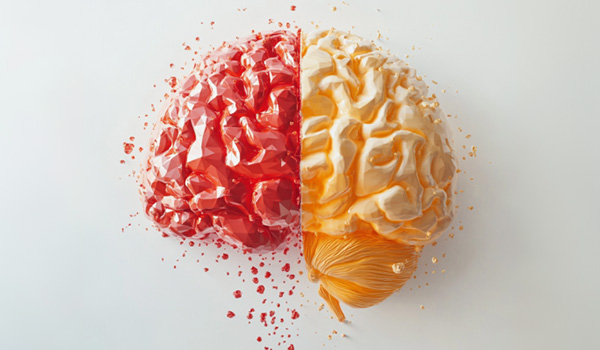
Psychology studies the relationship between people, their emotions and behaviour. A scientific discipline, it delves into the human psyche, attempting to understand the way the brain creates and processes mental states – both consciously and unconsciously.
Positive Thinking is the mental state or attitude that reflects the belief that an outcome or endeavour will be desirable, favourable or meet expectations. It is tied to an Optimistic perspective on life.
Critical Thinking is the ability to rationally analyse factual evidence in a logical manner, to form unbiased judgements. It is the bedrock of research, analysis, problem-solving and decision making in both academic...
Introversion is a personality trait characterised by a preference for solitude and more limited social interactions. People who are introverts tend to be more reserved and reflective before deciding on a course of action.
Cognitive Bias is a systematic error or pattern of deviation that occurs when people process and interpret information about the world. Individuals construct a subjective, constructed reality not based on objective inputs or facts.
Workplace psychology can be referred to as the practice and application of psychological principles and methodologies to a work environment. The ultimate goal of workplace psychology is to identify and solve emerging issues.